Boo Haw Western Ghost Embroidery Review
As an embroidery designer who has spent years testing digital assets for both personal hobby projects and commercial client work, I have learned to look past the pretty preview image. When I pull a new design file into my digitizing software or prepare it for stitching, I am asking one question: does this hold up in real life? Today, I am putting Boo Haw Western Ghost through that same practical evaluation. This is not just another spooky graphic; it is a specific aesthetic choice that requires careful consideration before it hits the hoop.
First Impressions and Visual Personality
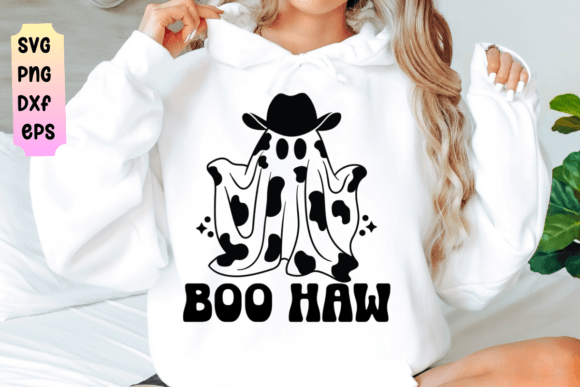
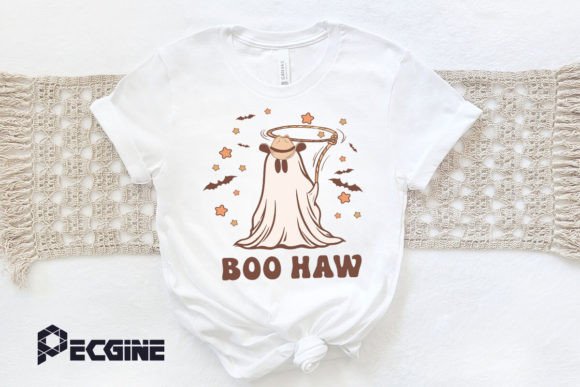
The moment you open the files included in the Boo Haw Western Ghost package—which provides SVG, PNG, DXF, and EPS formats with transparent backgrounds—the mood is immediately established. The title suggests a playful, slightly mischievous tone rather than something genuinely frightening. For designers targeting the "cottagecore," rustic, or whimsical Halloween markets, this visual personality is a strong asset. It feels approachable, which is crucial when designing for children’s items or boutique home decor where you want charm over shock value.
The layout appears balanced, likely relying on clean lines and distinct shapes that translate well into vector editing software before conversion. However, as any experienced maker knows, a good graphic does not always equal a good embroidery design. The transition from a flat digital illustration to thread-dependent art is where most designs fail. In this case, the Western theme combined with the ghost motif offers interesting opportunities for texture contrast, provided the digitizer understands how to handle the negative space and the character's expression.
Real-World Application: From Screen to Stitch
I recently considered using a design similar to Boo Haw Western Ghost for a custom embroidered tote bag order intended for a local craft fair. The goal was to create a handmade product that felt unique enough to stand out among mass-produced alternatives but familiar enough to appeal to a broad audience. Here is how this design concept performs in those specific scenarios:
- Custom Apparel and Sweatshirts: On a heavy cotton sweatshirt, this design would shine. The Western theme pairs naturally with denim or earth-toned fabrics. If stitched with high-quality polyester threads, the ghost could pop against a dark navy or charcoal background. It works particularly well as a chest pocket placement or a centered back print for a statement piece.
- Baby Items and Nursery Decor: Because the design leans toward cute rather than creepy, it is an excellent candidate for baby onesies, burp cloths, or nursery wall hangings. Parents often seek personalized gift options that are festive but not overwhelming. A small, well-executed stitch of this ghost on a minky blanket adds a touch of seasonal warmth without violating safety or aesthetic concerns for infants.
- Home Goods and Kitchen Towels: I see strong potential here for tea towels or pillow covers. The transparency of the source files allows for easy resizing, meaning you can adapt the Boo Haw Western Ghost to fit smaller spaces like the corner of a kitchen towel. This creates a subtle detail that customers appreciate upon closer inspection, enhancing the perceived value of the finished product.
- Etsy Listings and Digital Assets: For sellers offering printable mockups or design assets, the inclusion of multiple file formats (SVG, DXF, EPS) is a significant advantage. It allows you to offer versatile options for different cutting machines and embroidery software, catering to a wider range of craft business clients.
Where Caution Is Required
No design is perfect for every application. There are specific situations where Boo Haw Western Ghost might struggle if not handled with care. As a reviewer, I must highlight these pitfalls so you do not waste time and materials on failed stitches.
Hoop Size and Detail Level: If your machine setup limits you to very small hoops (such as 4x4 inches), you must carefully inspect the fine details. Small eyes, intricate hat brims, or delicate lace-like elements can become muddy or lost entirely if the stitch density is too high for the available space. Always test at the actual size you intend to sell.
Fabric Texture and Stability: Avoid placing this design on highly textured fabrics like chunky waffle knits or loose-weave burlap unless you are using a robust stabilizer. The ghost shape relies on clean edges; a rough fabric surface will disrupt the outline, making the design look unfinished. Similarly, stretchy fabrics like thin jersey require a strong tear-away or cut-away stabilizer to prevent puckering, which can distort the Western silhouette.
Dark Fabrics and Thread Contrast: While the design includes transparent backgrounds for easy placement, the success of the final look depends heavily on your thread colors. On dark fabrics, you may need a dense underlay or a light-colored base layer to ensure the white or pastel parts of the ghost appear bright and visible. Without proper contrast, the design can look dull and grayish, reducing its appeal for commercial embroidery projects.
Curved Surfaces: Attempting to embroider this on a curved surface like a baseball cap requires advanced technique. The Western hat element might twist unnaturally if the curve is too pronounced. It is safer to use this design on flat panels or structured bags where the geometry remains predictable.
Practical Designer Notes for Success
Before adding Boo Haw Western Ghost to your production queue, follow these essential steps to ensure professional results:
- Test on Scrap Fabric: Never go straight to the final item. Stitch the design on a scrap piece of the exact fabric you plan to use. This reveals issues with stabilizer choice, tension, and color matching early.
- Check Stitch Density: Open the embroidery file in your software and review the stitch types. Ensure there is a healthy mix of satin stitch for outlines, fill stitch for body areas, and perhaps running stitch for fine details. If the density is too high, the fabric will pucker; if too low, the backing may show through.
- Verify Licensing: Since you may be selling finished goods or digital products, confirm the license terms associated with the purchase. Some digital embroidery files allow unlimited commercial use, while others restrict the number of items sold or prohibit resale of the file itself.
- Mockup in Black and White: Convert the design to grayscale in your editing software. This helps you assess the balance of light and dark areas without being distracted by color choices. A good embroidery project should have clear visual hierarchy even without color.
- Inspect Small Details: Zoom in on the smallest elements, such as the ghost’s eyes or the hat’s band. These areas are prone to thread breaks or tangling if the digitization is not clean. If they are too small for your machine’s capabilities, consider simplifying the design or increasing the overall scale.
Final Verdict
Boo Haw Western Ghost is a versatile and charming addition to any designer’s library, particularly for those focusing on the crafts and graphics niche. Its blend of Western flair and whimsical ghost imagery makes it suitable for a wide array of custom apparel, embroidered patches, and holiday embroidery projects. By paying attention to fabric choice, stabilizer support, and stitch quality, you can transform this digital file into a high-value small shop product that resonates with customers. Just remember: the magic is in the execution. Test thoroughly, plan carefully, and let the design speak for itself.