Cowboy Heartbeat Embroidery Design Review
When I sit down to evaluate a new digital asset for my embroidery studio, I am rarely looking at just a picture. I am looking at a production plan. I am thinking about stitch density, thread tension, fabric distortion, and whether the final product will hold up after five washes in a customer’s machine. Today, I am putting Cowboy Heartbeat through that same rigorous mental checklist. This is not just another cute graphic to slap on a tote bag; it is a design file intended for real-world application, and as an experienced designer, I need to know if it translates well from screen to fabric.
The First Impression: Mood and Visual Personality
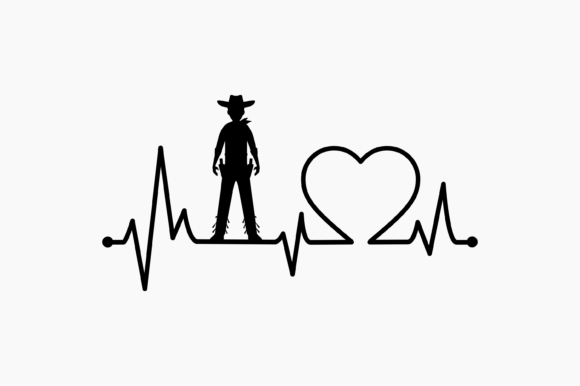
At first glance, Cowboy Heartbeat strikes a balance between rugged Americana and soft sentimentality. The title alone suggests a narrative—something tied to heritage, love, or perhaps a tribute to someone who lives by the western code but has a tender side. For an embroidery project, this duality is crucial. If the design is too busy, it loses the emotional impact; if it is too simple, it lacks character.
The visual personality of this piece feels grounded. It does not scream for attention with neon colors or chaotic layouts. Instead, it relies on strong shapes and clear lines. This is exactly what I look for in a reliable machine embroidery design. When you are working with complex fabrics like denim or heavy cotton blends, clarity is king. A design that depends on subtle gradients or tiny, intricate details often gets lost in the texture of the material. Cowboy Heartbeat, however, seems built to stand out even when stitched into a thick sweatshirt fleece or a textured canvas tote.
Real-World Application: Where Does This Design Shine?
I have been thinking about where Cowboy Heartbeat would fit best in a current workflow. Let me walk you through a specific scenario. Imagine you are preparing a batch of custom gifts for a local craft fair or an Etsy shop launch. You want something that appeals to a broad audience but still feels personal. You decide to create a line of embroidered patches or small apparel items.
This design is particularly effective for custom apparel such as crewneck sweatshirts or heavyweight t-shirts. The heart motif provides a central focal point that works beautifully on the chest area or centered on the back. Because it carries a "cowboy" theme, it also pairs exceptionally well with denim jackets or caps. However, I see its strongest potential in home goods and accessories. Picture a tote bag design made from natural jute or sturdy canvas. The rustic feel of the fabric complements the western aesthetic, creating a cohesive handmade product that feels authentic rather than mass-produced.
Furthermore, consider the market for personalized gifts. Parents often look for unique baby items, and Cowboy Heartbeat could be adapted for a nursery wall hanging or a soft blanket border. The design has a warmth that makes it suitable for holiday embroidery projects, especially around Christmas or Valentine’s Day, where themes of love and tradition intersect. It is versatile enough to serve as a commercial embroidery asset for boutique branding, yet intimate enough for a one-of-a-kind gift.
Technical Considerations and Potential Pitfalls
No design is perfect for every situation, and being honest about limitations is part of professional practice. While Cowboy Heartbeat has strong structural integrity, there are specific areas where caution is required.
- Hoop Size and Detail: If you attempt to digitize or embroider this on a very small hoop size, you risk losing definition. Fine lines may merge together, turning into blobs of color. Always check the minimum recommended hoop size before committing to a small item like a cap front or a baby bib.
- Fabric Texture: This design performs best on relatively smooth surfaces. If you try to stitch it onto a highly textured fabric like boucle wool or a rough burlap, the stitches may not lay flat, and the shape could become distorted. Similarly, thin fabrics require a robust stabilizer to prevent puckering, which can ruin the clean lines of the heart shape.
- Stretchy Materials: When working with stretchy knits, such as athletic wear or loose t-shirt jerseys, the inherent tension of the threads can cause the design to warp. It is essential to use tear-away or cut-away stabilizers appropriately to keep the embroidery file stable during stitching.
- Dense Stitch Areas: If the design includes large fill stitches, ensure your machine is calibrated correctly. Too much density can make the fabric stiff and uncomfortable, especially for wearable items like sweatshirt embroidery or apron fronts.
Design Assets and Commercial Viability
For those of us running a craft business or selling on platforms like Etsy, the usability of the digital embroidery file is just as important as the art itself. Cowboy Heartbeat offers flexibility that allows for creative experimentation. Before finalizing a product, I always recommend testing the design in black and white mockups. This helps you assess the contrast and balance without the distraction of color.
Consider the thread colors carefully. A classic red or burgundy thread might emphasize the "heart" aspect, while a neutral beige or brown thread could lean into the "cowboy" vibe. Experimenting with these combinations can help you target different customer segments. For instance, a pastel version might appeal to buyers looking for baby embroidery gifts, while a bold, high-contrast version might attract customers interested in rugged, outdoor-themed decor.
Additionally, because this is a graphics category item available in multiple formats (SVG, PNG, EPS, DXF), you are not limited to just embroidery. You can use the vector files for vinyl cutting, laser engraving, or printing on mugs and stickers. This multi-format capability adds significant value to your inventory, allowing you to create a cohesive brand identity across different product types. Whether you are producing a printable mockup for your online store or creating physical design assets for clients, having a versatile source file saves time and increases efficiency.
Final Verdict: Is It Worth the Investment?
In conclusion, Cowboy Heartbeat is a solid addition to any designer’s library. It balances aesthetic appeal with practical functionality, making it suitable for a wide range of embroidery projects. From personalized gifts to small shop products, it has the potential to elevate your finished product with a touch of rustic charm.
However, success lies in execution. Take the time to test the design on scrap fabric. Inspect the small details under good lighting. Confirm that the stitch density is appropriate for your chosen fabric. And most importantly, review the licensing terms to ensure you are compliant when selling your finished product. By approaching this design with a critical eye and a methodical process, you can turn a simple digital file into a profitable, beautiful handmade item that customers will love.