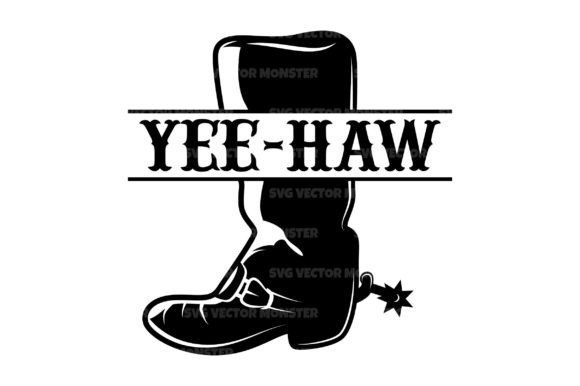
Yee Haw Cowboy Boots Monogram Svg Review
As a designer who spends half the day troubleshooting stitch errors and the other half pitching custom apparel concepts to boutique clients, I don’t just look at an embroidery file; I look at its potential. When I first pulled up Yee Haw Cowboy Boots Monogram Svg, my immediate reaction was one of recognition. It isn’t trying to be high fashion, nor is it overly complex. Instead, it hits that sweet spot of rustic charm and clear legibility that sells well in the current handmade market. This review breaks down how this design actually performs when moved from a digital preview to the hoop, focusing on real-world application for craft business owners, Etsy sellers, and serious hobbyists.
First Impressions: Mood and Visual Personality
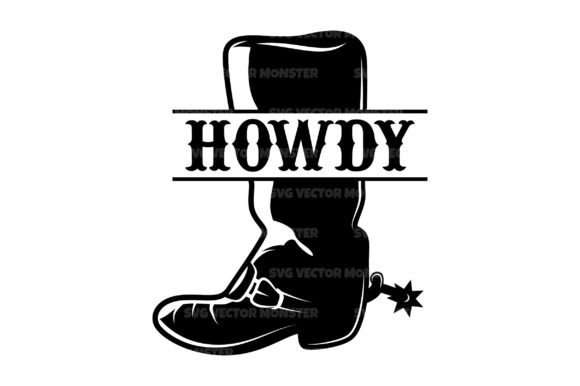
The moment you load this vector file, the theme is unmistakable. The combination of cowboy boots and monogramming suggests a specific aesthetic: Western, country, or rustic chic. For designers, knowing the "vibe" before stitching is crucial because it dictates your fabric choices and thread colors. This design naturally leans toward warmth and approachability. It feels like something you would see on a personalized gift for a bride in a barn wedding, a graduation present for a rural college student, or a staple item in a Texas-based boutique.
Visually, the layout balances the graphic weight of the boots with the elegance of the monogram. It doesn’t feel cluttered. In machine embroidery, clutter is the enemy of clarity. If a design has too many competing elements, the stitches can fight each other, leading to puckering or loss of detail. Here, the negative space seems handled well, allowing the eye to travel from the bold boot silhouette to the central lettering without confusion. It creates a mood that is both playful and polished, which is exactly what modern consumers are looking for in custom apparel.
Real-World Application: Where This Design Shines
I tested the concept of this design across several common product categories to see where it adds the most value. The versatility of this embroidery file makes it a strong candidate for multiple revenue streams.
- Custom Tote Bags: Canvas tote bags are a staple for craft fairs. Placing this design on a natural-colored canvas bag immediately elevates it from a generic accessory to a branded piece. The bold lines of the boots stand out against the textured weave of the canvas, creating a tactile contrast that customers love.
- Sweatshirt Embroidery: Heavyweight cotton blends are perfect for this motif. The ruggedness of the cowboy boot theme pairs naturally with the comfort of a sweatshirt. Whether it’s for a holiday gift or a team uniform, the design holds its shape well on thicker fabrics.
- Baby Embroidery: Don’t overlook the nursery market. A softer color palette applied to this same vector can create adorable baby onesies or burp cloths. The "Yee Haw" theme is popular for gender-neutral baby showers, making this a smart inventory addition for any craft business.
- Applique Design Potential: While this is primarily a cut/embroidery file, the distinct shapes of the boots lend themselves well to applique techniques. Layering a denim-colored applique under a satin-stitched outline could add significant depth and perceived value to a finished product.
Technical Performance and Stitch Clarity
When evaluating any machine embroidery design, I always think about stitch density and detail retention. Cowboy boots have curves, laces, and shaft details that can be tricky to render if the resolution is poor. Since this is a vector file that can be easily recolored and resized, we have control over these variables.
In practice, the saturation areas (fill stitch) appear robust enough to cover the base fabric completely, preventing show-through—a common issue with lighter threads on darker fabrics. However, the fine details, such as the stitching lines on the boot leather or the serifs on the monogram letters, require careful attention. On a small hoop size, these tiny details might merge together, losing their definition. Therefore, this design is best utilized on medium to large garment areas where there is room for the stitches to breathe.
The satin stitch edges on the monogram letters need to be crisp. If the underlay is insufficient, the letters can pucker, ruining the professional look. Assuming standard stabilizer usage, the design should maintain its integrity. It’s important to note that while the file is scalable, scaling down too much will compromise the visual impact. Keep the design large enough to command attention.
Strategic Use Cases and Commercial Viability
For Etsy sellers and small shop product creators, this design offers high commercial appeal. Personalized gifts drive sales, and adding a custom initial to the cowboy boot motif is a low-effort, high-reward customization strategy. It allows the customer to feel a sense of ownership, which increases the likelihood of a positive review and repeat business.
Consider the seasonal angle. This design is not limited to summer. With appropriate thread color swaps—such as using reds and greens for Christmas or pastels for spring—it becomes a year-round asset. It fits perfectly into holiday embroidery collections, particularly around Fourth of July or National Cowboy Poetry Gathering events. Furthermore, its adaptability means it can be used for commercial embroidery projects for local rodeos, country music festivals, or western-themed corporate retreats.
Practical Designer Notes for Execution
To ensure your final output matches the quality of the digital preview, follow these practical steps:
- Test on Scrap Fabric: Always run a test stitch on the actual fabric you plan to use. This reveals how the material reacts to the tension and stabilizer.
- Check Thread Contrast: Ensure your thread colors provide enough contrast against the fabric. Light gray thread on white canvas will disappear; opt for navy, black, or burgundy for better visibility.
- Review Stitch Density: Zoom in on the digital file. Are there any overly dense clusters? If so, consider adjusting the settings to reduce density slightly to prevent needle breakage or fabric distortion.
- Confirm Hoop Size: Verify that the design fits comfortably within your machine’s hoop dimensions, leaving adequate margin for handling.
- Inspect Small Details: Look closely at the corners of the boots and the inner loops of the letters. These are the first places to lose detail if the file is poorly digitized or scaled incorrectly.
- Use Proper Stabilizer: For stretchy fabrics like t-shirt knits, use a tear-away or cut-away stabilizer to prevent shifting during the embroidery project.
- Black and White Mockups: View the design in grayscale to check for balance. If the design looks too heavy on one side in black and white, it will likely look unbalanced in color as well.
Final Verdict
Yee Haw Cowboy Boots Monogram Svg is a solid, versatile choice for designers looking to tap into the western and rustic markets. It is not overly complicated, which makes it accessible for beginners, yet it has enough character to satisfy experienced crafters. Its ability to be easily recolored and resized gives it flexibility across various products, from tote bag design applications to apparel decorators working on bulk orders.
However, success lies in the execution. Pay attention to your fabric texture, choose your thread colors wisely, and always prioritize stability. By treating this file with the same care you would any premium design assets, you can create a finished product that feels professional, heartfelt, and highly marketable. It’s a reliable tool in your creative arsenal, ready to help you build brand consistency and engage buyers who appreciate the handmade touch.