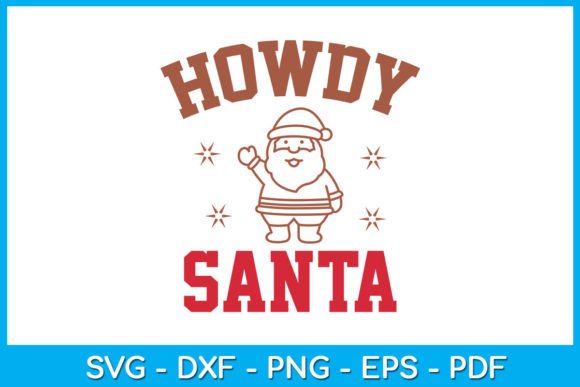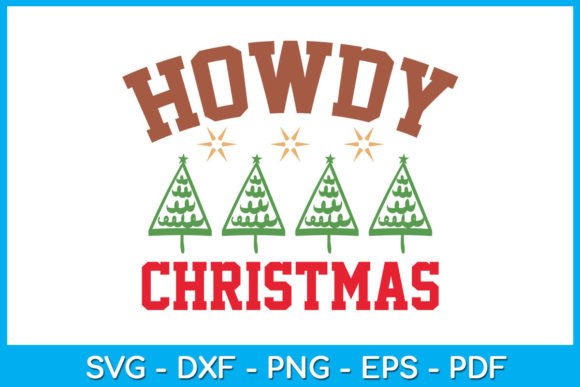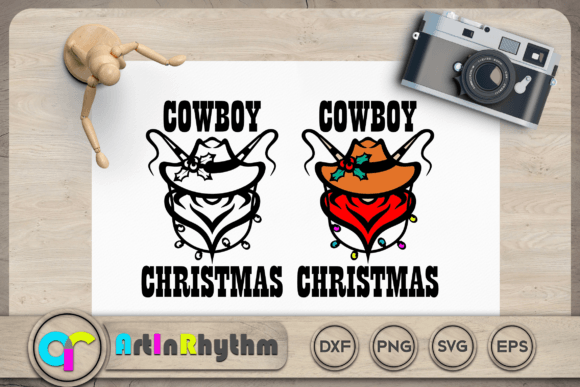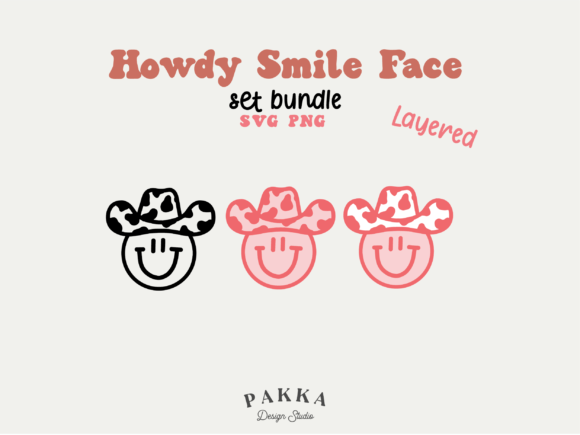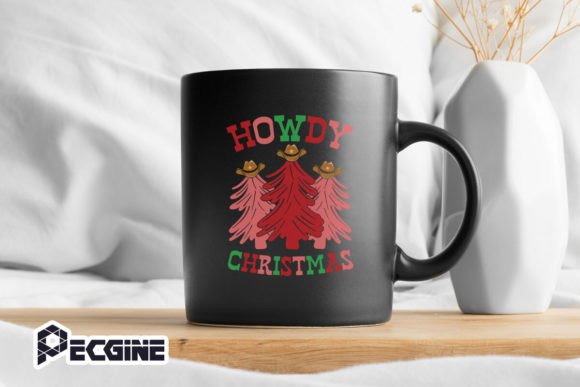
Howdy Christmas Trees Western Cowboy
When I sit down to review a new digital asset for my embroidery workflow, I am rarely looking for just another pretty picture. As a designer who frequently produces custom apparel and boutique goods, I need to know if a design will translate cleanly from screen to fabric. It needs to hold up under the tension of a hoop, maintain its shape through wash cycles, and resonate with customers browsing Etsy or walking through a craft fair booth. Today, I am evaluating Howdy Christmas Trees Western Cowboy, a file that promises a blend of rustic charm and holiday spirit. My goal here is to strip away the marketing fluff and look at this as a practical tool for real-world production.
First Impressions and Visual Personality
The moment you load Howdy Christmas Trees Western Cowboy into your digitizing software, the layout communicates its intent immediately. It is not subtle. The design leans heavily into the "western" aesthetic, likely featuring bold silhouettes that suggest cowboy hats, boots, or perhaps a stylized tree with frontier flair. For an embroidery designer, the first thing I check is the visual weight. Does it feel balanced? Is there enough negative space to prevent a cluttered stitch-out?
This particular design creates a mood that is festive yet rugged. It bridges the gap between traditional holiday motifs and the popular western trend that has dominated home decor and apparel for several years. The visual personality is confident. It does not whisper; it says hello in a way that fits perfectly with seasonal branding. For makers who specialize in farmhouse style, country chic, or rustic weddings, this design offers immediate recognition. It feels like a natural fit for a brand that values tradition with a modern twist.
Real-World Application: From Screen to Stitch
Let’s talk about where this design actually lives in a finished product. I recently considered using Howdy Christmas Trees Western Cowboy for a line of custom embroidered tote bags intended as corporate holiday gifts for a client in the real estate sector. The western theme aligned perfectly with their brand identity. However, moving from a PNG preview to a physical tote bag requires careful planning.
In scenarios like creating custom apparel or sweatshirt embroidery, this design shines because of its thematic clarity. Imagine a cream-colored canvas sweatshirt with this motif centered on the chest. The contrast allows the design to pop without overwhelming the garment. Similarly, for embroidered patches meant to be sewn onto denim jackets or caps, the strong outlines typical of western-style graphics ensure legibility even when stitched at smaller scales. It works beautifully for holiday embroidery projects such as kitchen towels, pillow covers, and nursery decor, adding a touch of whimsy to seasonal table settings.
For the Etsy seller or small shop product creator, versatility is key. This design can serve multiple purposes. It can be part of a matched set—a mug cozy, a tea towel, and a guest book cover—creating a cohesive handmade product line. When buyers see consistent styling across items, trust increases. They perceive the brand as professional and thoughtful. A well-executed finished product elevates the perceived value, allowing you to price your goods higher than generic alternatives.
Where Caution Is Required
Not every design is suitable for every surface, and Howdy Christmas Trees Western Cowboy is no exception. While it is robust in concept, execution matters. If you plan to use this on curved surfaces like caps, you must consider how the geometry distorts around the crown. Designs with sharp angles or fine details may warp if not properly stabilized or if the curvature is too extreme.
I also advise caution when working with textured fabrics. If you are stitching this onto a chunky knit sweater or a rough burlap, the intricate parts of the design might get lost. In such cases, simplifying the design or increasing the size is often necessary. Furthermore, thin fabric or stretchy fabric requires a heavy-duty stabilizer to prevent puckering. Without the right support, the stitch density could pull the fabric out of shape, ruining the clean lines that make this design appealing.
Avoid placing this design in tiny lettering areas or extremely small hoop sizes unless you have verified the digitization quality. Small details tend to merge together during the stitching process, resulting in a muddy appearance. If the design includes delicate elements, test them on scrap material first. Additionally, for products that require frequent washing, such as baby clothes or aprons, ensure that the thread colors chosen are colorfast and that the design is anchored securely to prevent unraveling over time.
Designer Notes for Optimal Results
To get the best performance out of this machine embroidery design, follow these practical steps:
- Test on Scrap Fabric: Always run a test stitch on the actual fabric you intend to use. This reveals issues with tension, stability, and thread breakage before you commit to the final piece.
- Check Thread Color Contrast: Review the design in black and white mockups to ensure sufficient contrast between the background and the threads. A light green tree on a white shirt might disappear, whereas a dark forest green would stand out sharply.
- Inspect Small Details: Zoom in on the digital file. Are there tiny satin stitches that might bunch up? Are there long running stitches that might snag? Adjust the digitization if necessary to improve durability.
- Confirm Hoop Size: Ensure your machine’s hoop can accommodate the full dimensions of the design. If the design is large, you may need to split it or choose a larger frame.
- Use Proper Stabilizer: Match the stabilizer to the fabric weight. Cut-away stabilizers are generally safer for stretchy or heavy items, while tear-away works well for stable woven fabrics.
- Verify Licensing: Before selling commercial embroidery items or distributing digital embroidery files, double-check the license terms. Some designs allow personal use only, while others permit commercial sales with limits on quantity.
Final Verdict on Design Assets
Howdy Christmas Trees Western Cowboy is a solid addition to any craft business inventory. It taps into a popular aesthetic that appeals to a broad demographic, from hobbyists making personalized gifts to professionals stocking boutique branding items. Its strength lies in its clear theme and adaptable nature.
However, success depends on your preparation. Treat it as a design asset that requires respect and technical skill to execute properly. By paying attention to fabric choice, stabilization, and thread selection, you can transform this digital graphic into a tangible embroidery project that delights customers. Whether you are creating a single applique design for a friend’s hat or mass-producing printable mockups for an online store, this design offers a reliable foundation for creative expression. Just remember: the difference between a good handmade item and a great one often comes down to the details you check before the needle ever touches the fabric.