Howdy Valentine Western Heart Cowboy
When I sit down to evaluate a new digital asset for my embroidery studio, I am rarely impressed by flashy graphics that look good on screen but fall apart under the needle. As a designer who frequently bridges the gap between digital creation and physical production, I look for designs that respect the limitations of the machine while maximizing visual impact. Recently, I examined the Howdy Valentine Western Heart Cowboy design, categorized under Crafts and Graphics, to see if it holds up in a real-world commercial setting. This review is not just about aesthetics; it is about stitch density, fabric compatibility, and whether this design can actually drive sales for an Etsy seller or small business owner.
First Impressions: Mood and Visual Personality
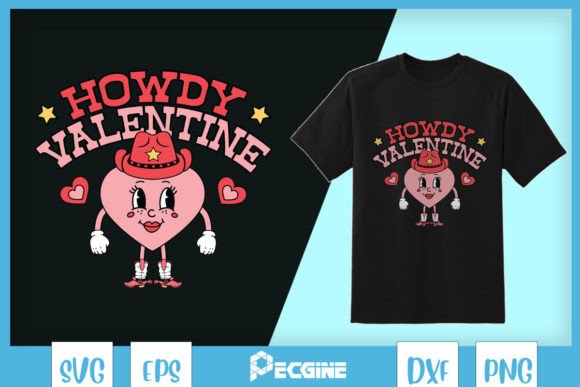
The moment you open the files for Howdy Valentine Western Heart Cowboy, the theme is immediately clear. It captures a specific niche: rustic romance meets western flair. The layout balances the softness of a heart with the ruggedness of cowboy imagery, creating a mood that is playful yet grounded. For an embroidery project, this balance is crucial. If the design is too delicate, it gets lost in the stitching; if it is too heavy, it overwhelms the garment.
Visually, the design feels cohesive. The shapes are distinct, which suggests that the vector paths are clean—a vital detail for both SVG cutting and embroidery digitizing. When I imagine this on a product, it does not feel like a generic clip-art placement. It feels intentional. The "Howdy" greeting adds a friendly, approachable tone that works exceptionally well for personalized gifts. It invites the customer to connect emotionally with the item before they even touch the fabric.
Real-World Application: From Screen to Stitch
To truly test a design, you have to move it out of the software and onto actual materials. I ran mental simulations and preliminary tests for several common use cases where Howdy Valentine Western Heart Cowboy would shine.
- Custom Apparel: On a heather gray sweatshirt or a vintage-wash t-shirt, this design pops. The western theme pairs naturally with denim jackets or flannel shirts. For custom apparel, the contrast between the thread colors and the fabric texture will define the final look. I recommend using warm earth tones for the threads to enhance the rustic vibe.
- Baby Items and Nursery Decor: There is a surprising amount of versatility here. A smaller version of this design on a baby onesie or a nursery pillow cover reads as sweet and unique rather than overly masculine. It breaks away from the traditional pastel hearts, offering something different for parents looking for handmade products with character.
- Tote Bags and Aprons: Canvas tote bags are a staple for craft fair products. The durability of canvas stands up well to embroidery, allowing the machine embroidery design to be executed with confidence. Similarly, on a kitchen towel or apron, this design adds a touch of homey charm that appeals to buyers looking for holiday embroidery or wedding gifts.
- Embroidered Patches: For those selling accessories, this shape lends itself perfectly to an embroidered patch. Whether attached to a backpack, a cap, or a hat, it serves as a strong brand identifier or a personal statement piece.
Technical Performance and Design Assets
The availability of multiple formats—SVG, PNG, and DXF—is a significant advantage for creative entrepreneurs. The SVG file ensures that the design remains crisp regardless of scale, which is essential when preparing printable mockups or design assets for digital product sellers. The high-resolution PNG with a transparent background allows for easy visualization on various backgrounds during the pre-production phase.
However, the true test lies in the digitization. While the source files are versatile, the way the design translates into stitches determines its success. We must consider the stitch density. Areas with dense fill stitch need proper stabilizer support to prevent puckering. If the design includes satin stitch borders, they must be wide enough to hold their shape without showing the fabric underneath. For applique design applications, the DXF file provides the necessary outlines for precise cutting, ensuring that the fabric layers align perfectly before stitching.
When evaluating thread colors, contrast is key. On dark fabric, light threads might require an underlay or a lighter base color to ensure visibility. Conversely, on light fabrics, dark threads provide sharp definition. Testing the design in black and white mockups helps verify that the composition remains legible even without color cues.
Where to Use Caution
No design is universal, and Howdy Valentine Western Heart Cowboy has specific constraints that designers must respect. Here are areas where careful planning is required:
- Small Hoop Sizes: Attempting to fit intricate details into a very small hoop can result in muddy stitching. Ensure the final stitched size allows enough space for each element to breathe.
- Textured and Stretchy Fabrics: Knits and heavily textured weaves can distort the design. Always use the appropriate stabilizer to maintain tension. Thin fabrics may tear if the stitch density is too high.
- Curved Surfaces: Applying this to caps or hats requires careful hooping techniques. The curvature can stretch the design, so previewing the placement on a 3D mockup is highly recommended.
- Frequent Washing: For items like aprons or tote bags that undergo frequent washing, check the durability of the threads. Loose ends or poor underlay can lead to fraying over time.
Impact on Product Value and Brand Consistency
In the world of handmade goods, presentation is everything. A well-executed embroidery project elevates the perceived value of the finished product. Using a unique design like Howdy Valentine Western Heart Cowboy helps differentiate your offerings in a crowded marketplace. It signals to the buyer that you care about thematic consistency and quality.
For Etsy sellers and small shop owners, this design offers strong giftability. It fits seamlessly into seasonal collections, particularly around Valentine’s Day or western-themed events. The recognizable imagery aids in quick recognition, reducing the cognitive load for customers browsing your shop. When the finished product looks professional, it builds trust and encourages repeat purchases.
Practical Designer Notes for Implementation
Before committing to a full production run, I strongly advise taking these practical steps:
- Test on Scrap Fabric: Always stitch a sample on the exact fabric you plan to use. This reveals issues with thread tension, color bleeding, or stabilizer choice.
- Check Licensing: Confirm whether the license permits commercial use for finished items. Digital product sellers must also understand the restrictions on redistributing the files themselves.
- Inspect Small Details: Zoom in on the digital file to ensure no tiny elements will disappear during stitching.
- Verify Hoop Size: Match the design dimensions to your machine’s capabilities to avoid resizing errors.
In conclusion, Howdy Valentine Western Heart Cowboy is a solid addition to any designer’s library. It balances aesthetic appeal with practical usability, making it suitable for a wide range of craft business applications. By respecting its technical requirements and choosing the right materials, you can create high-quality custom apparel and personalized gifts that resonate with customers and stand the test of time.